Animal Protection

Animal protection has always been in question whether animals deserve the same rights as humans. My answer to this is yes, they are living creatures. I’ve encountered many people whose response is, “No animals cannot feel.” I get frustrated when I hear that response and wish to slap them. I’ve always had a huge love for animals and is the main reasons why I wish to become a vet in the future. Sometimes I think that we do not deserve animals. They are so sweet, loving, and always there for us, but at times we take them for granted.
Last quarter I took a course called “Intro to Animal Science” and the professor quoted a quote that a philosopher once said and it left me thinking. Jeremy Bentham stated, “The question is not, can they reason?, nor can they talk but, can they suffer?” This left people in awe. It is something to think about. What is the difference from you and an animal? You can talk and express your feelings and pain while they can’t? They make noises, some bark while others squeal, that could be their version of speaking, but just because it is not actual words to where we, humans, are able to understand it shouldn’t be taking into consideration? Just like humans they experience pain, depression, loneliness, and other feelings, but they simply cannot say it out loud or in the form that we can. This is why I believe it is up to us to advocate for their protection and welfare.
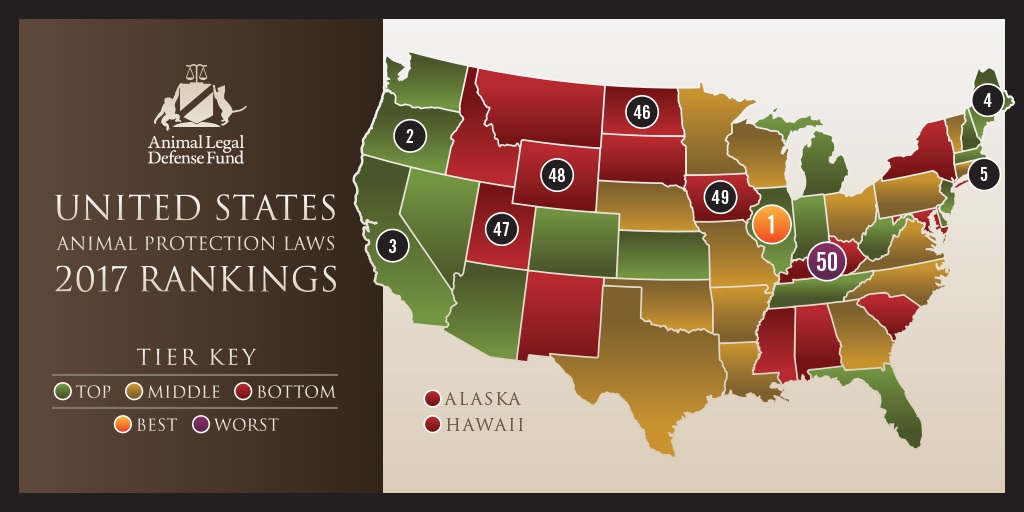
In the United States, animal protection laws can be enacted and enforced on government level, but most animal protection legislation occur at state or local level. There are two types of laws: Federal Animal Protection laws and State and Local Animal Protection laws. One of the federal animal protection laws I am most familiar with is the Animal Welfare Act. The Animal Welfare Act was signed in 1966 and is the only Federal law that determines the treatment of animals in research, exhibitions, and transports. For State and Local Animal Protection laws can vary from state to state or city to city and focuses mainly on companion animals. One of the most common law for this category is called the “hot car” law. I am pretty sure the vast majority of people know what law this is, but if not then I will explain it. It is a law that prohibited people leaving unattended domestic animals, most common animals are dogs, in a vehicle when the temperatures are rising especially during the summer time. Over 25 states have some form of this law and that is great, but what about the rest of the states? It makes me question why they do not believe why this is an important matter. In my opinion, by not creating or enforcing a law similar to this a life is being in stake and could easily be prevented by a simple act as this one.
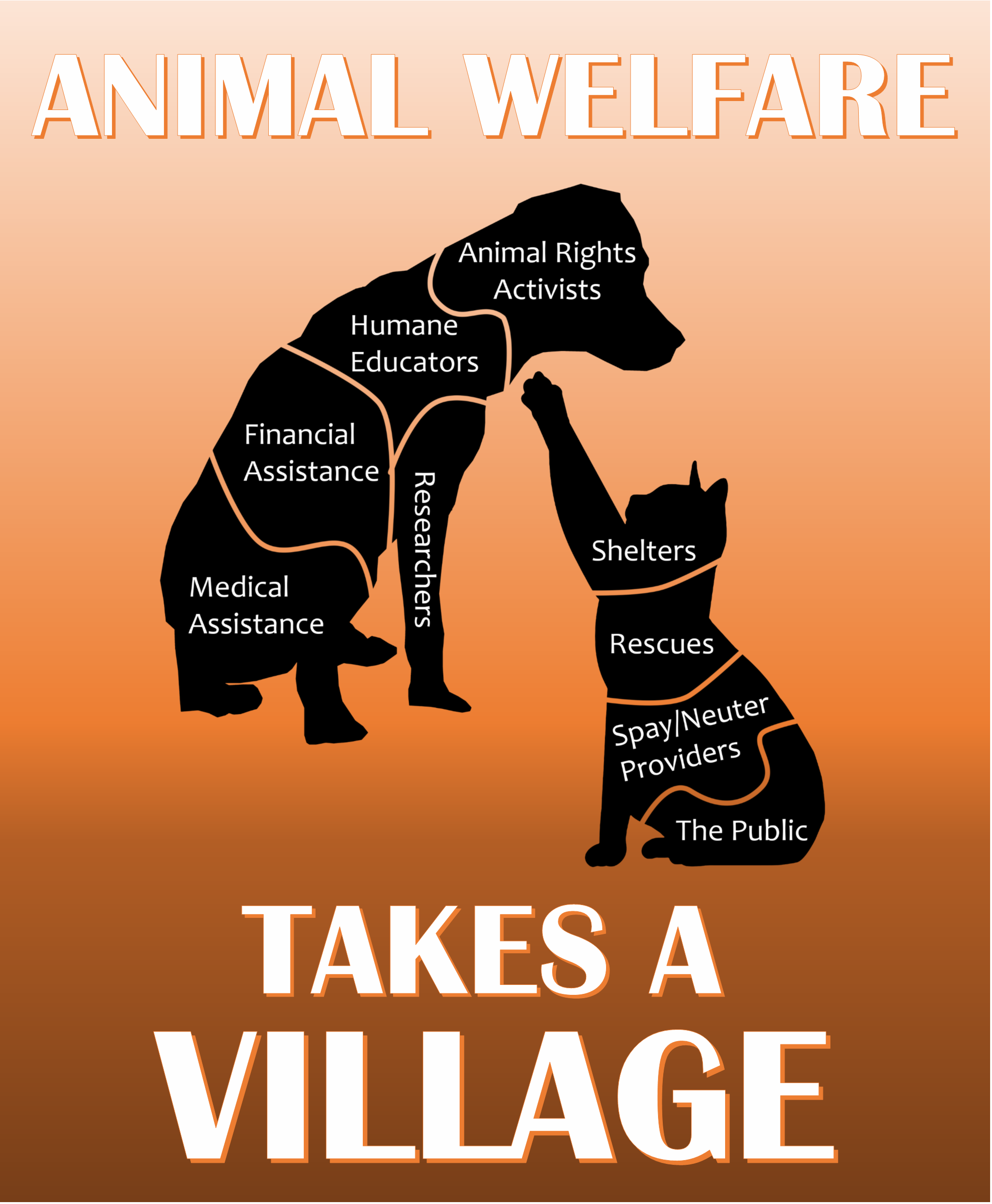
I believe this specific topic is overlooked. There are so many laws in place and some are evolving, but most of them do the bare minimum or are not specific enough to where people are able to cheat their way through it. For example, the Animal Welfare Act protects how animals in research are obtained and maintained, but fails to protect the how the animals can be used. I am not against animals being used for research purposes, but there are times where they are putting  animals in unnecessary research projects that in the end are killing millions of them every year. I know that at the end of the day animal cruelty will always be an issue and will continue to be a problem until everyone agrees on the value animals should hold, but until then it is nice to know there are non-profit organizations who focus on getting laws passed to help animals receive a better life, fight for more rights towards protections, and rehabilitate them.

Animal organizations play such a huge role in animal protections, but I believe the general population are who determine the outcome of animal protection. Animal organizations organize and hold campaign to fight towards improving animal welfare, but the voices of the people who contributes to the movement are the ones who are improving animal welfare. In order for organizations to continue gathering people to help improve animal law protections, they first must educate them. Not many people are aware of how animals get treated, that is why I believe this topic is overlooked. When a video of an animal being abused or mistreated surfs the internet, many comment or share the video, but I do not think that they look into it and contact an organization to help out. They feel some type of way, but then skip to the next video (at least that is what I believe). Education seems to be the key towards improving animal protection.
Discourse Communities in Animal Safety

In the article, “Discourse Community,” Gary D. Schmidt and William J. Vande Kopple gave their definition of discourse communities and as well with examples to help the reader get a better understanding. When I was reading I was still lost on what it meant so I did my own research on the definition and came back even more confused, but based off the definitions I kept reading off google I think the definition of a discourse community is when a group of people have a the same mindset on a certain goal that they wish to achieve.

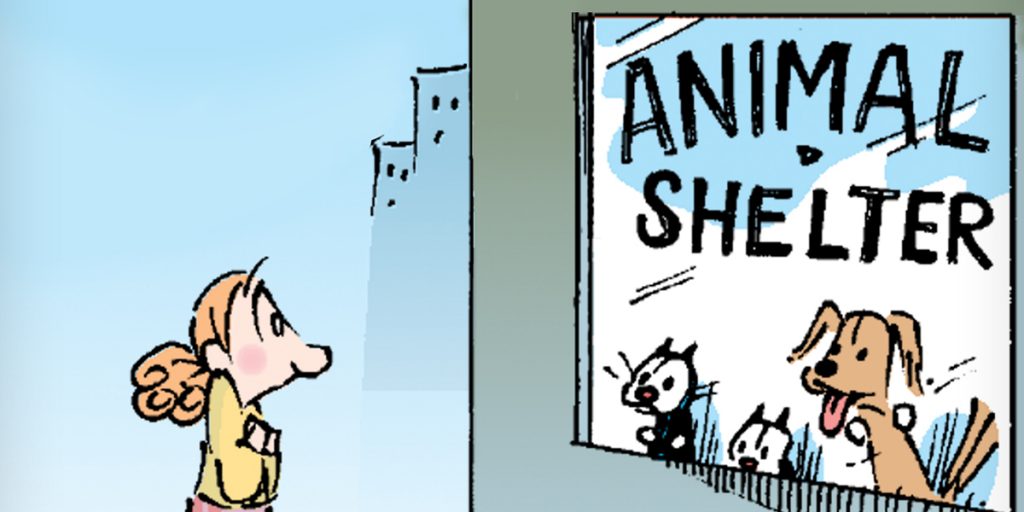
Since my blog topic is about animal protection, I googled “discourse community within animals,” and a list of organizations popped up. I have no idea if they are right, but these three organizations kept popping up everytime I searched “discourse community” and “animals” so I believe they are. The first one is animal shelters. Animal shelters are community discourse because they multiple goals which are promoting pet ownership, providing animals with shelter, food and water, trying to reduce the animal population. Animals shelters are worked by people who are passionate and have great love for animals. They care about animal safety and ensuring they are getting great care while they are in the process of finding a forever home. I think this is why they are an example of discourse community. Also when I was googling the definition for discourse community, it said that the group must be able to communicate their thoughts and goals within the group and with the public. A way that animal shelters demonstrate this is through their websites as well as through text, emails, and newsletters. When I used to volunteer at my local animal shelter and we had to schedule  meetings, we used to email or have a sign up sheet at the front desk to sign in who was able to attend the meeting.

The second discourse community I found was the Humane Society of the Treasure Coast. The Humane Society of the Treasure Coast is an organization that cares for over 6,000 animals every year. They have multiple goals, but their main one is to find homes for sheltered animals. Some of their other goals are to provide shelters for rescued animals and promoting respect for the animal in the lives of people. They are an organization that provides pet therapy services, reunite animals with their owners, shelter lost or abandoned animals, and provide humane education classes. This organization is an example of a discourse community because the people who work within it all carry the same goals which is finding forever homes for the animals that are being sheltered. With today’s technology, many organizations have numerous, ways that they can communicate their events or other things that are going on. One way this organization communicates with its members or the public is through Facebook. They can post about upcoming events, animals they are trying to reunite with their owners, different types of animal breeds that are up for adoption, and other things too.

The last discourse community I came across to is called the Humane Society of The United States. The Humane Society of the United States is an animal welfare organization that provides care to more than 100,000 animals each year through their sanctuaries, veterinary programs, and shelters. Their goals are to provide direct care, rescue animals in crisis, and pass laws that ensure the protection of animals, but their biggest goal is to prevent animals from being placed into the situations of distress. This organization is a discourse community because the workers and volunteers within this organization all carry strong compassion for animals and work towards their goal which is care for animals that are brought to the sanctuaries along with helping to ensure the laws that are enacted to protect animals are doing exactly that. A way this discourse community communicates is through email and text messages in which you will receive newsletter for events, fundraisers they hold, and petitions they write to stop something animal related.

Is It Worth It?

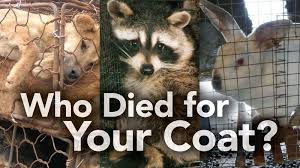
Animal Fur in clothes? I am not going to lie, I do have jackets and boots that have fur inside of them but is it real fur? I doubt it. I don’t buy high end brands so they most likely aren’t real fur from animals. I have never been a big fan on buying real fur or leather handbags. First, because I am a broke college student so I don’t have enough money to be able to go buy luxurious clothing or bags. Second, I don’t really care about stuff like that. Third, many animals are mistreated for their fur.

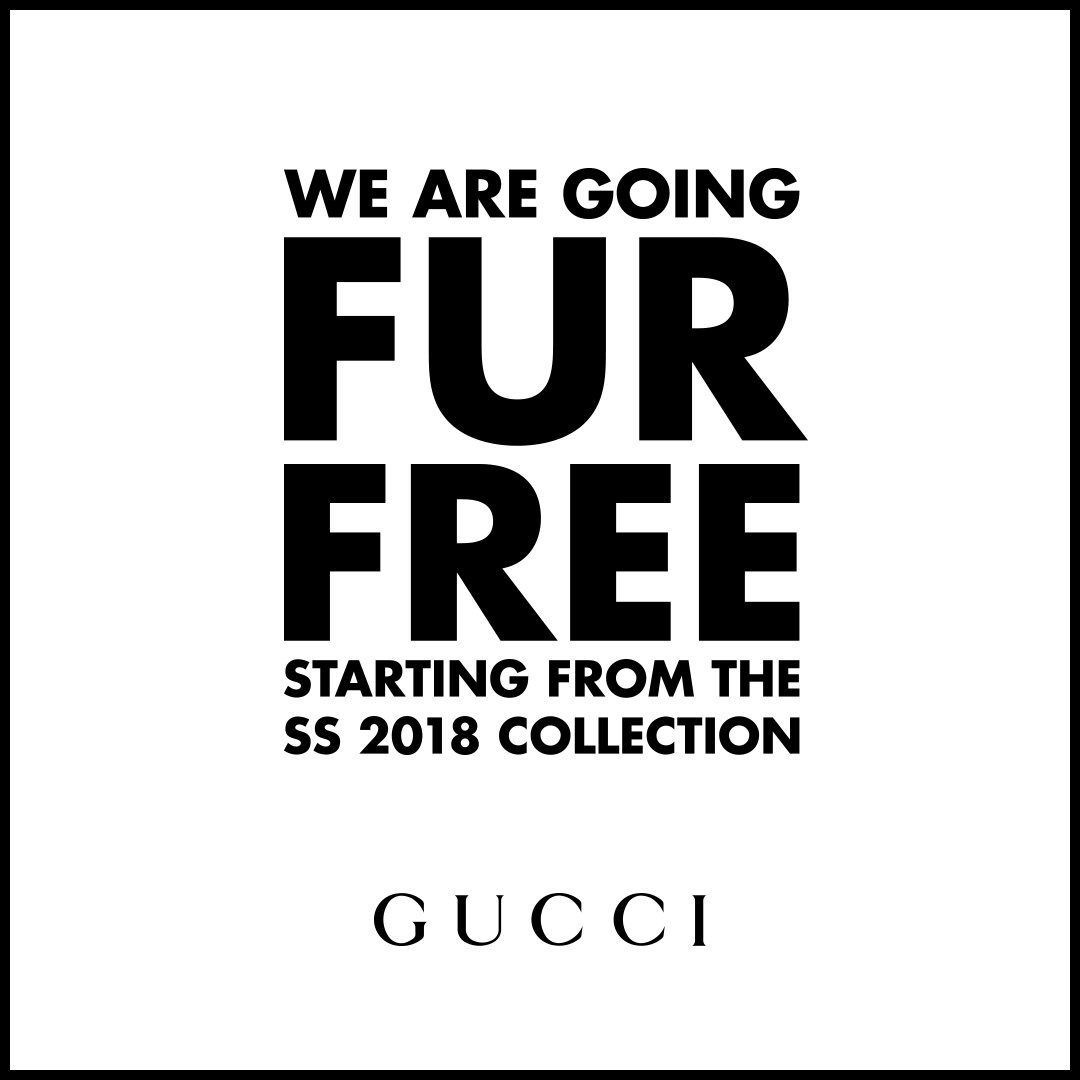
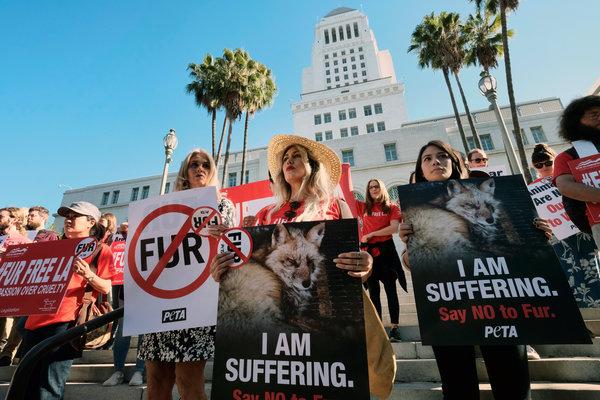
There are many high end brands that used fur in their clothes whether it was jackets, sweaters, or shoes. A recent event occurred with a fashion related event that made an impact and organizations are hoping it will show other brands that fur-free clothing is the way to go. For the first time, London Fashion Week announced that all designers and brands who are participating in the 2018 show have to be fur-free. This led to other brands consider banning the use of fur in their clothing or any sort of animal skin in handbags. The movement of London’s fashion week has also made an impact in some states. San Francisco has managed to ban any pieces that contains fur which hopefully shows other states they should take consider making this ban too. Another event occurred too but with a fashion brand. After 20 years, the fashion brand, Gucci has announced that they have banned angora wool and starting their 2018 spring/summer collection they will not have any clothing containing fur. Other brands such as Calvin Klein, Tommy Hilfiger, and Gap have stopped using fur as well. It has been a nonstop movement.

Many of the CEO’s of high brand companies have said it is not worth selling products that will put animals in pain. I honestly agree. The way I see it is, you are willing to put an animal in pain just so you can wear a jacket with fur three/four times a year. If you really think about it, you probably have other jacket in your closet that you can wear or could buy clothes that are fur-free and way cheaper. I just think it’s a waste of money and unnecessary pain we are putting animals through. When I was looking up articles of brands that have banned the use of fur in their clothes, I came across this video that demonstrated how factories remove the fur of rabbits and it was so heartbreaking. You could see the rabbit’s pain as it was moving around trying to escape the person’s hands. I think what fashion companies are doing is so amazing. It is a movement everyone should support and help stop. It is not right to wear an animal’s skin or fur just for looks. Also the movement that San Francisco made was amazing too. It shows that states are looking into how animals are being used and how they can improve and help their well-being.

Unwanting Pain

In my previous post, I spoke a little bit about my thoughts on the use of animals for research, but did not go in depth. To be honest, I do not know much about this other than what my professor from Intro to Animal Science had said. I just know that millions of animals die every year for research purposes which is really sad now that I think about it. Before I begin to google and research about this topic, I am going to mentally prepare myself because I know I may encounter some articles that will either hurt me or get me upset from reading. I am such an animal lover so regardless whether they are mice, dogs, cattle, or rhinos I will feel some type of emotion so bare with me.

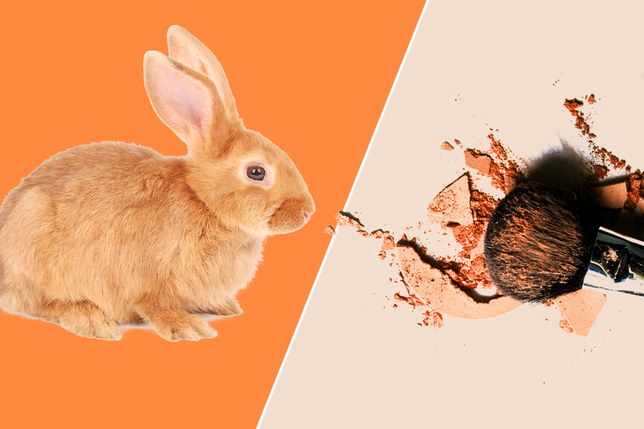
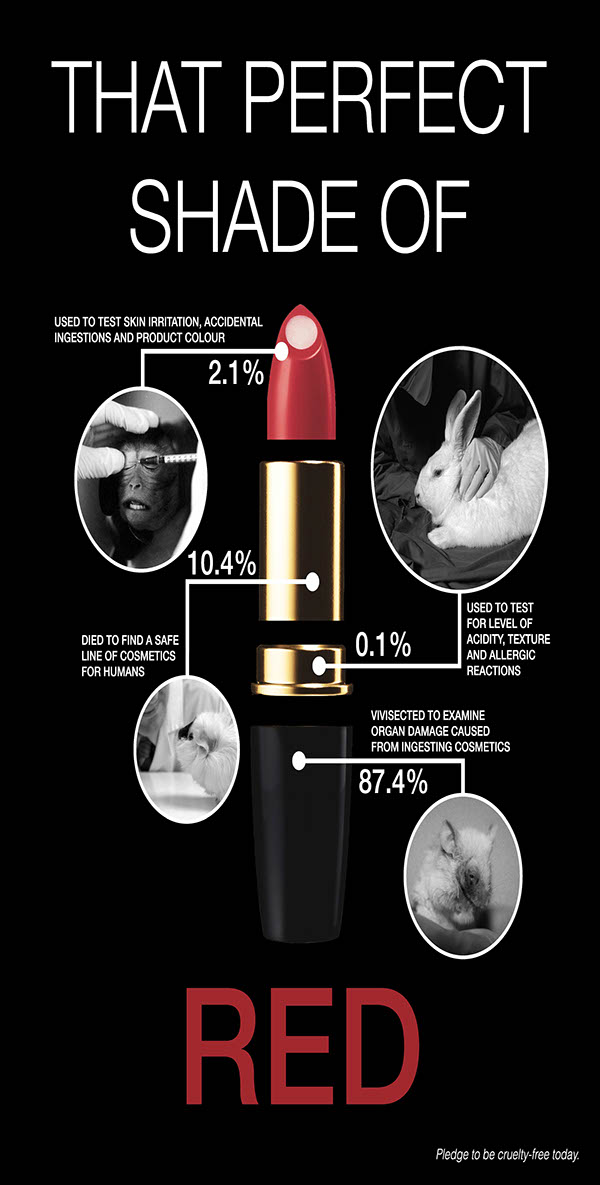
There are several types of testing that animals are used for, but for this blog, I am going to focus specifically on cosmetics testing on animals. Cosmetics are products that are applied onto the human body for cleaning or beautification purposes to enhance or improve a person’s appearance. Cosmetics have been around and used for thousands of years. Companies are legally responsible for ensuring their ingredients within the product and finished products are safe for consumers to use without it affecting the human body. The use of animals for cosmetics testing began in the 1940s when many people began to suffer serious injuries from being exposed to unsafe beauty products.

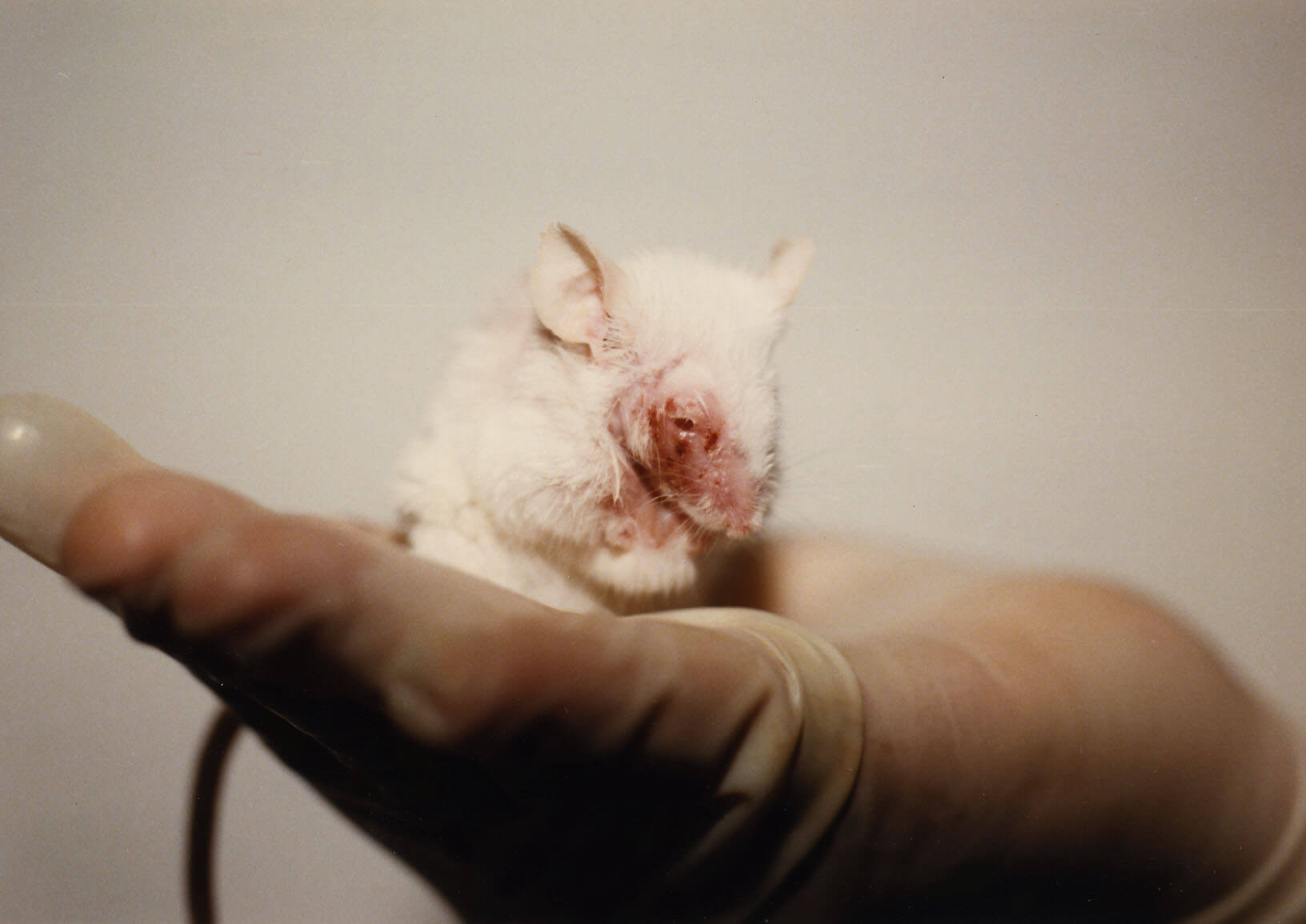
Some of the common cosmetic testing are skin and eye irritation tests. In these types of testing, chemicals are rubbed onto the shaved skin of the animal or dripped into their eyes for a period of days then killed. They also do repeated oral-force feeding studies that look out for signs of illness or specific health hazards such as cancer or birth defects. There are many more forms of testings that animals undergo, but all of these tests can cause tremendous pain and distress including blindness, sore bleeding skin, internal bleeding, and even death. The most disturbing thing is some companies will not provide pain relievers for the animals after they have been undergoing the extreme testings.

Today, many cosmetic companies do not need to test their products, but some continue to do so as a form of legal protection against a lawsuit in case a product harms a person. Cosmetic companies also may continue using animal testing if they use new chemical compounds in their products. However, many companies have passed laws banning cosmetics testing on animals. Many countries such as the European Union, Israel, and India have all banned the sales of any cosmetic that have been tested on animals. Some companies such as LUSH and Paul Mitchell, who are cruelty-free companies, have denied their sales in countries such as China until their law for animal testing has changed.

Now we are going to look into the laws that “protect” animals in research or testing purposes. As stated in the previous blog, the Animal Welfare Act is the only federal law that determines the treatment of animals in research, exhibitions, and transports. However, the Animal Welfare Act provides very minimal protection for certain species and for some reason excludes rats, mice, and bred species used in research when it estimated that about 90% of animals in laboratories are made up of from those animals. The act sets minimum standards for housing, feeding, handling, and their well-being. It also does not speak about the amount of pain or distress an animal can undergo when they are being used for testing.

There are not many laws that protect animal use for cosmetic testing or overall research purposes, but there is a law that can put an end to animal testing forever. It is called the Humane Cosmetics Act. If the law was enacted, it would prohibit animal testing for cosmetics in the United States as well as imports of any cosmetics that had animal testing done. The thing that is preventing the act to be enacted is getting legislators to support this movement. If it were passed, it would save and prevent millions of animals from being put through unnecessary pain.

My thoughts on this is that there should be more laws that protect animals used for any form of testing or research purpose. It is so selfish to put these innocent animals under bad living conditions and dreadful pain for a product that goes on our body for a short amount of time. The Animal Welfare Act should be revised and have more protection for the animals. Companies should also move onto using non-animal tests. It is said that non-animal tests give faster results and are cheaper which is both more beneficial to companies. I just believe it is so unfair to those animals to have to put under those circumstances.

Animal Protection

Animal protection? It has always been in question whether animals deserve the same rights as humans. My answer to this is yes, they are living creatures. I’ve encountered many people whose response is, “No animals cannot feel.” Sometimes I just want to slap them when they hit me with that response. I’ve always had a huge love for animals, it’s one of the main reasons why I wish to become a vet in the future. Sometimes I think that we do not deserve animals. They are so sweet, loving, and always there for us, but at times we take them for granted.

Last quarter I took a course called “Intro to Animal Science” and the professor quoted a quote that a philosopher once said and it left me thinking. Jeremy Bentham stated, “The question is not, can they reason?, nor can they talk but, can they suffer?” This left people in awe. It is something to think about. What is the difference from you and an animal? You can talk and express your feelings and pain while they can’t? They make noises, some bark while others squeal, that could be their version of speaking, but we just because it is not actual words it shouldn’t be taking into consideration? Just like humans they experience pain, depression, loneliness, and other feelings, but they simply cannot say it out loud or in the form that we can. In this blog I wish to further educated myself on this topic. I want to find different perspectives on this topic, but that are backed up with facts, find research evidence, and simply see how much the laws to protect animals have changed over time.

In the United States, animal protection laws can be enacted and enforced on at government level but most animal protection legislation , at state or local level. There are two types of laws: Federal Animal Protection laws and State and Local Animal Protection laws. One of the federal animal protection laws I am most familiar with is the Animal Welfare Act. The Animal Welfare Act was signed in 1966 and is the only Federal law that determines the treatment of animals in research, exhibitions, and transports. For State and Local Animal Protection laws it can vary from state to state and focuses mainly on companion animals. One of the most common law for this category is called the “hot car” law. I am pretty sure the vast majority of people know what law this is, but if not then I will say it. It is a law that prohibited peopleeducate leaving unattended domestic animals, most common animals are dogs, in a vehicle when the temperatures are rising. Over 25 states have some form of this law and that is great but what about the rest of the states?

I believe this specific topic is overlooked. There are so many laws placed but most of them do the bare minimum or are not specific enough so people decide to cheat their way around it. For example, the Animal Welfare Act protects how animals in research are obtained and maintained, but fails to protect the how the animals can be used. I am not against animals being used for research purposes but there are times where they are putting the animal in unnecessary research projects that in the end are killing millions of animals every year. I know that at the end of the day animal cruelty will always be an issue and that is why it warms my heart to know there are non-profit organizations who focus on getting laws passed to help animals receive a better life, gain more rights for protections and rehabilitate them.

Academic Discourse

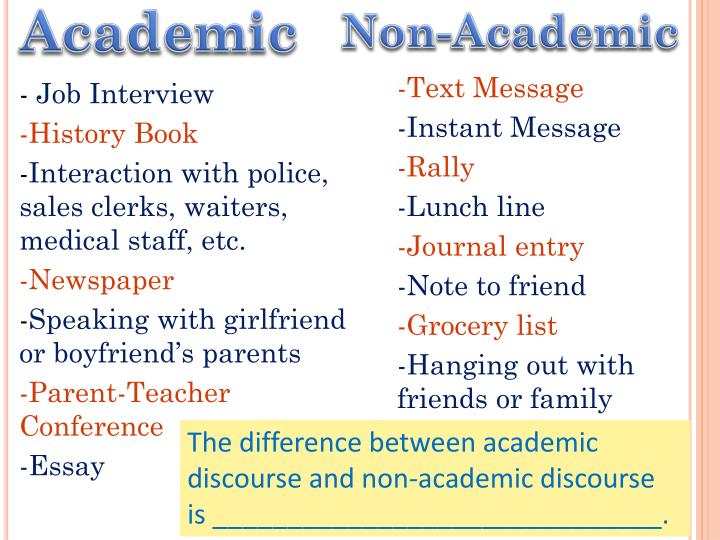
In the article, “Reflections of Academic Discourse: How It Relates to Freshman and Colleagues,” Peter Elbow explains his definition of academic discourse which is using a certain language to continue and engage in a high-level conversation. He believes students need to learn both academic discourse and nonacademic discourse for college and after college. He states how most students whose majors only require two English classes should not have to be forced to use academic discourse because after they graduate, most jobs have their own version of writing that is required for that position and it is not academic discourse. Elbow is not trying to create arguments against academic discourse, but he believes if they were able to allow students a broad range of writings and write informal essays, it will teach students both academic discourse and nonacademic discourse that will be beneficial for life after college. Elbow assumes that employers get upset with students who are fresh out of college because they do not know how to use academic discourse correctly and believes that in order for it to change, it has to start with learning it in college specifically in freshman writing courses.

While I was reading the article, I was confused on what the author was referring to when he said “academic discourse.” I had to google the definition before I was able to continue reading, but even then I was still confused about it. I have never heard of “academic discourse” so I am not familiar with what its point is, but based off google’s definition, I believe it is a form of advance nonacademic communication. The reading was a bit difficult for me to fully understand but what I captured from the nonacademic is that he does not think academic discourse is just one specific thing, but instead cumulative of a variety of writing, forms of communicating, and expressions. I think teaching college students both academic discourse and nonacademic discourse should start within freshman writing courses so students can get used to it from the very start which makes it easier to adapt to it and will stick with students after they graduate. Elbow believes if they were to focus a little more on nonacademic writing and a little less on academic discipline, it will be useful for students. I agree with him because not every company or business that students will work in will require academic discourse. It all depends on the job and position you are placed in but there will be some students who will need to learn this academic discipline for their future jobs. The author talks about his goal is being to protect his students and himself from teaching and focusing on a specific form of writing so in the future the student does not fail the class due to only knowing one form of writing. I am able to relate to this because in high school there was only one form of writing all English teachers would follow which made it difficult for me to let go of when I started to take college classes over the summer. It is good that Elbow can see how beneficial learning the two types of courses will help students in the future.  

Terrible Drafts Are Okay

My name is Melissa Ignacio. I am a first generation college student and a first year Animal Science major. For the years I am here at Davis, my goals are to continue meeting new people, create unique memories with them, build connections with staff and professors, and better myself as a person. As of this moment, my future academic goals are to go to grad school, vet school, and open up my own animal clinic. I wish to specialize into smaller breeds like cats and dogs, but in order to reach my goals I have to improve in my academics, specifically writing. Writing has never been my favorite subject, but I do not hate it. I struggle on converting my thoughts into words and writing them down and making it connect to the rest of my writing. I believe my writing is not horrible, but it surely can be improved. I work better if I am able to get examples of an assignment that way I am able to follow the guidelines and can see what I am missing than just assuming what is missing or assume I am doing it right. My teachers in high school taught me that my outline should be messy but first draft must be perfect or near to perfect which made it so difficult to meet their expectations. I was also scared of them so when I was stuck or confused on something, I would ask my peers but half the time no one knew the answer so I was back to square one. When I took WLD 57 last quarter my professor would ask for drafts and I would take hours writing a 500 word essay and the topics were never difficult, but since I was used to the way my high school teachers would want them, I would overthink it and put so much effort into making them flawless. My professor told me to stop that but that was the only way I knew how to write them. After reading Anne Lamott’s “Shitty First Drafts,” I realized my high school teachers taught me wrong. Anne Lamott explains how our first drafts are not suppose to be perfect, but really shitty. It is the starting point. Now I see it as learning how to play a sport or instrument. When I began to learn how to play volleyball, I sucked. I could not serve the ball, but I slowly started to improve. Same thing with drafts, the first one will be terrible and that’s okay. The second one will get better and by the time you get to your final draft, it will be amazing. Lamott spoke about professional writers starting out with terrible first drafts and it made me feel better because that’s the reality, not everything has to be perfect on the first try. I believe teachers who provide feedback on essays should encourage students to write terrible drafts so they can see their improvement when it comes to revising it. It is a learning experience. She spoke about her experience when it comes to writing and how she was always in conflict with herself on how to write food reviews. I always doubt myself and I believe that it is what prevents me from being able to make my thoughts into words and write them down. It makes sense in my head, but once I start to type it just sounds weird. Getting from your first draft to your final draft is a process that everyone goes through. You should not feel bad if your teacher/professor gives you more feedback than the rest of your peers, instead use it to the best of your ability to makes your essay better.